
What Evidence Is Critical for Proving Traumatic Brain Injury Claims?
Traumatic brain injuries can change your life in an instant. One moment, everything feels normal, and the next, you’re facing symptoms that are difficult to explain, manage, or even fully understand.
Headaches, memory issues, mood changes, and fatigue can disrupt your routine and leave you feeling uncertain about what comes next. These challenges often go beyond the physical—they can impact your work, relationships, and overall sense of stability.
When you’re dealing with something as serious as a brain injury, the last thing you need is confusion about how to prove what you’re going through. That’s where strong, well-documented evidence becomes essential.
At Rodman Law Office, we help clients build compelling cases backed by the right information so their experiences are taken seriously. Based in Austin, Texas, and serving clients throughout the state, including Travis County, Williamson County, and Hays County, we work closely with you to strengthen your brain injury claims and seek the compensation you deserve. Schedule a consultation to learn more.
Medical Records That Show the Full Picture
Medical documentation is the backbone of most brain injury claims. Without it, it becomes much harder to connect your symptoms directly to the incident that caused your injury. From the moment you seek treatment, every record matters.
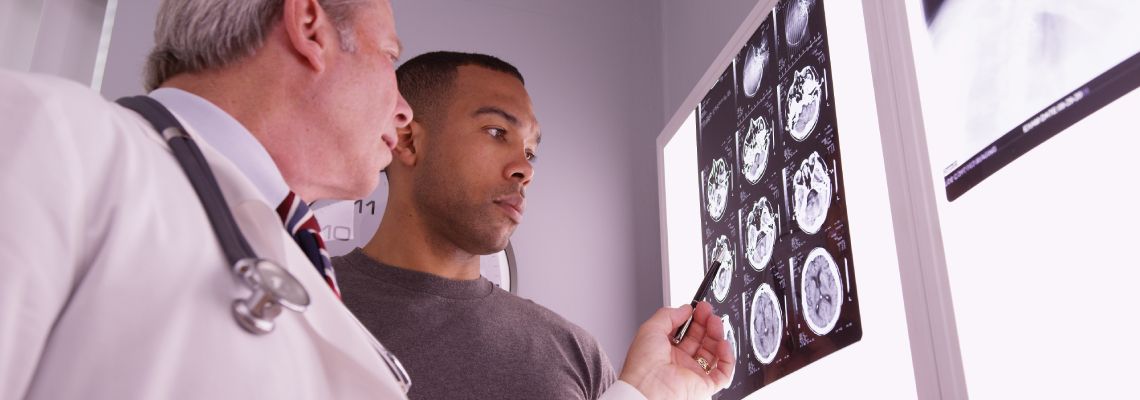
Emergency room reports, imaging results like MRIs or CT scans, and physician notes all help establish the presence and severity of a traumatic brain injury. These documents don’t just confirm that an injury occurred—they provide a timeline that shows how your condition developed and progressed.
Ongoing treatment records are just as important. Follow-up visits, referrals to specialists, and therapy sessions help demonstrate that your injury has lasting effects.
Working with an experienced lawyer can help you identify which records carry the most weight and how to present them effectively. When your medical history is clearly organized and tied to your claim, it becomes a powerful piece of evidence.
Diagnostic Tests and Expert Evaluations
Not all brain injuries are immediately visible, which is why diagnostic testing plays such a key role in brain injury claims. These tests help uncover the underlying issues that may not appear in a basic physical exam.
In many cases, additional evaluations from specialists are necessary to support your claim. These assessments provide a deeper look at how your brain functions and how the injury affects your daily life.
Neuroimaging scans: Advanced imaging like MRIs and CT scans can reveal structural damage or abnormalities in the brain.
Neuropsychological testing: These evaluations measure cognitive abilities such as memory, attention, and problem-solving.
Neurological exams: Specialists assess reflexes, coordination, and sensory responses to identify impairments.
Independent medical evaluations: A third-party assessment can provide an unbiased perspective on your condition.
These forms of testing add another layer of credibility to your case. They provide objective data that supports your symptoms and helps explain how your injury impacts your life.
Together, diagnostic tests and expert evaluations strengthen your position by backing up your claims with measurable, scientific evidence. This can be especially important when symptoms aren’t immediately obvious to others.
Documentation of Symptoms and Daily Impact
While medical records and test results are critical, they don’t always capture the full extent of how a brain injury affects your everyday life. That’s where personal documentation becomes incredibly valuable.
Keeping track of your symptoms over time can help paint a clearer picture of your experience. This type of evidence shows that your condition isn’t just a one-time issue—it’s an ongoing challenge that affects multiple areas of your life.
Symptom journals: Daily notes about headaches, dizziness, memory lapses, or mood changes can highlight patterns and severity.
Work impact records: Documentation of missed days, reduced productivity, or job changes shows how your injury affects your ability to earn a living.
Personal statements: Written accounts from you describing how your life has changed since the injury.
Family observations: Statements from loved ones who have noticed changes in your behavior, personality, or abilities.
This kind of evidence adds a human element to brain injury claims. It helps others understand what you’re going through beyond what can be measured in a clinical setting.
Accident Reports and Liability Evidence
To succeed in brain injury claims, it’s not enough to prove that you were injured—you also need to show how and why it happened. This is where accident-related evidence comes into play. Reports and documentation from the scene of the incident help establish liability. They provide context and support your version of events, making it easier to connect the injury to a specific cause.
Police or incident reports: Official reports often include details about what happened, who was involved, and any initial findings.
Witness statements: Accounts from people who saw the incident can support your claim and clarify key details.
Photographs and videos: Visual evidence of the scene, injuries, or property damage can be highly persuasive.
Employment or safety records: In workplace incidents, records can show whether safety protocols were followed or violated.
This type of evidence helps establish responsibility, which is a key component of any claim. Without it, even strong medical evidence may not be enough to secure compensation.
Compassionate Legal Help
Recovering from a traumatic brain injury can feel stressful, especially when you’re also trying to build a legal case. It’s not just about collecting documents—it’s about telling your story in a way that reflects the full impact of what you’ve been through.
At Rodman Law Office, we work with clients to gather and present the evidence that matters most. Based in Austin, Texas, and serving clients throughout the state, including Travis County, Williamson County, and Hays County, we’re committed to helping you move forward with confidence. Reach out to us today to discuss your brain injury claims and take the next step toward recovery.